RETAILER STORY · BEFORE LAUNCH
Why Farmer Jane chose Breadstack for 18 stores.
Farmer Jane spent two years looking for an e-commerce platform built for a multi-store cannabis retailer. A few weeks before launch, Kerri Michell explained why they chose Breadstack, and how the team got ready.

As described by Kerri Michell of Farmer Jane on September 24, 2024, before launch. About these results
THE RETAILER
A prairie retailer, built around customer experience.
At the time of the interview, Farmer Jane’s team ran 18 stores across Saskatchewan and Manitoba, 14 of them under the Farmer Jane name. The team also manages three other brands: Lucy’s, The Weed Store and The Bakery.
“Customer experience is at the center of everything that we do,” said Kerri Michell. The team has focused on building brand awareness in its communities, with Google reviews, SEO and blog posts.
Online, Farmer Jane already offered e-commerce, mostly for pickup. In September 2024, a few weeks before launching on Breadstack, Kerri talked through why the team made the switch.
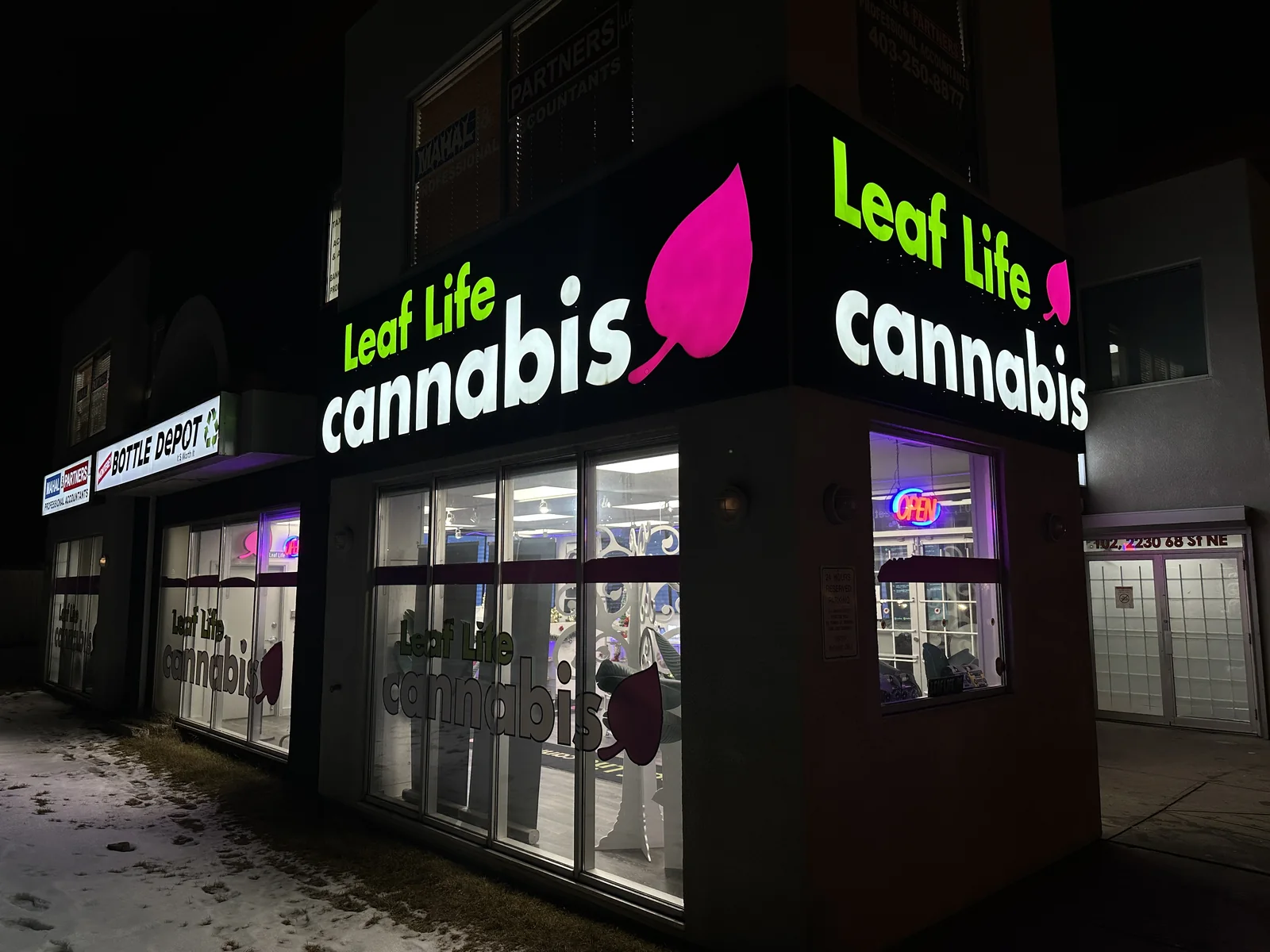
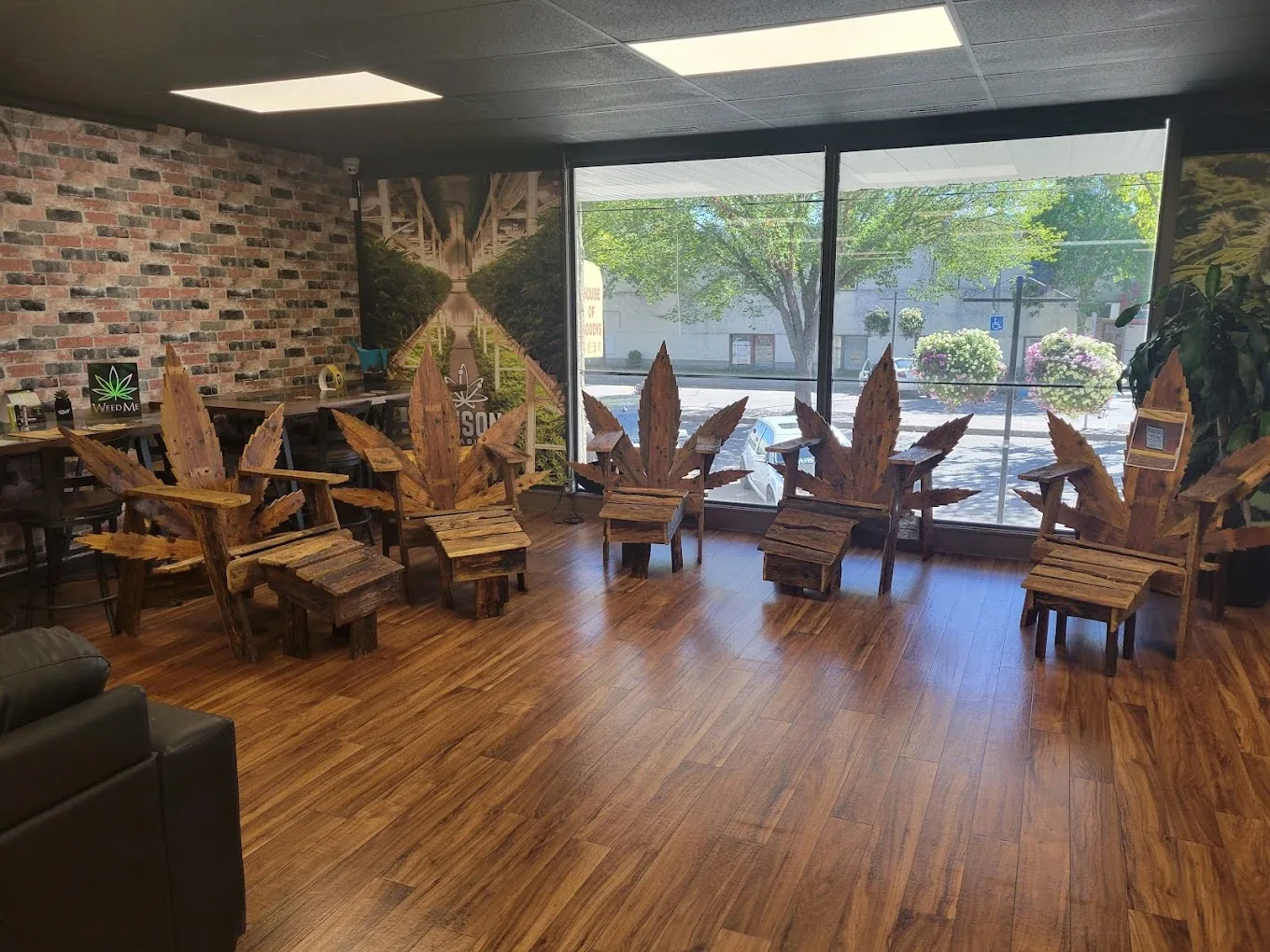
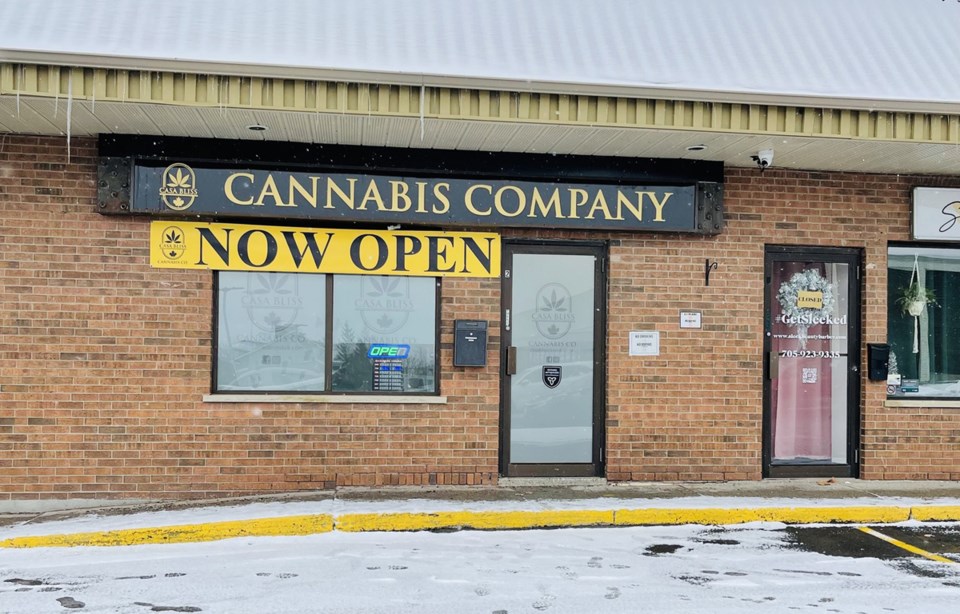
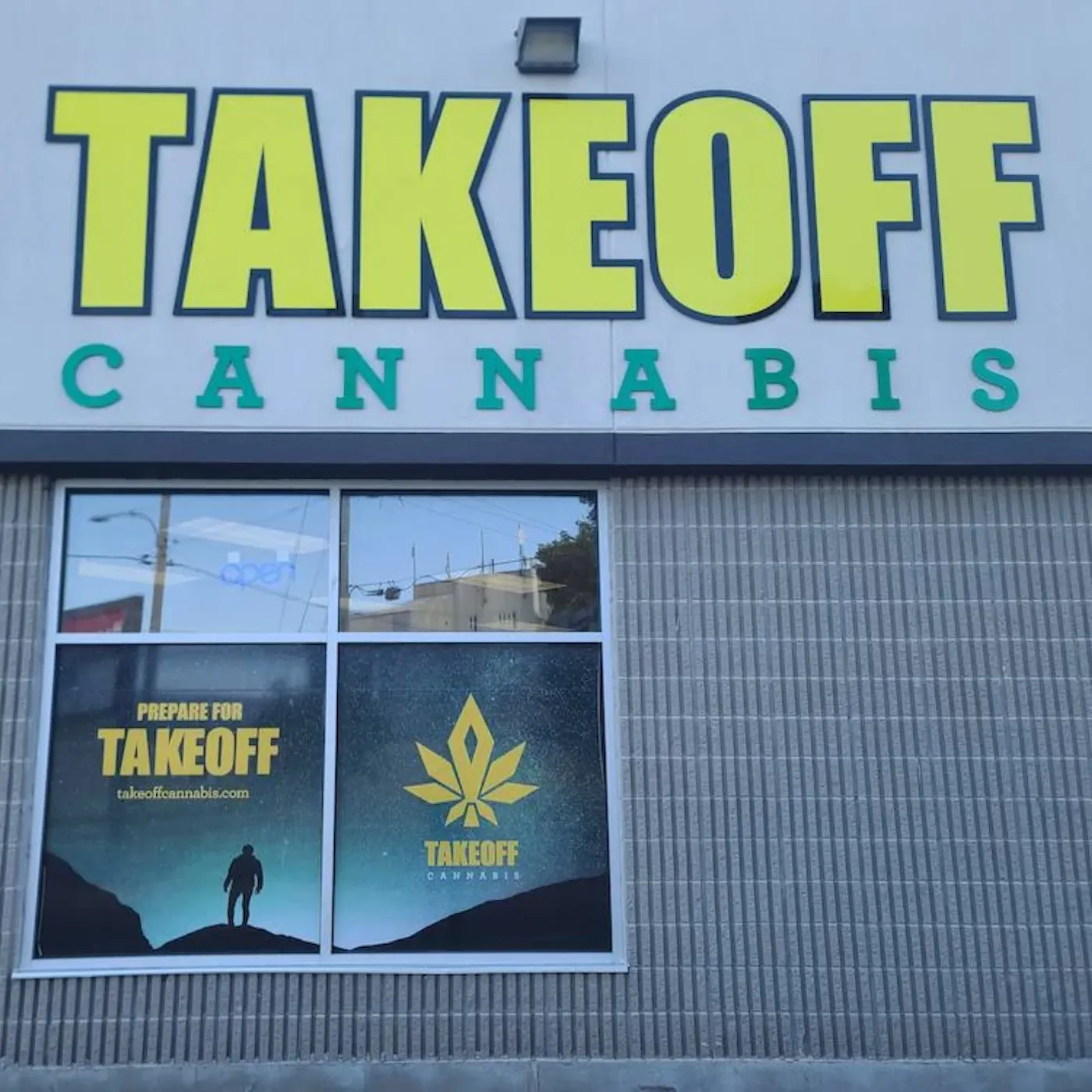
Inside Farmer Jane
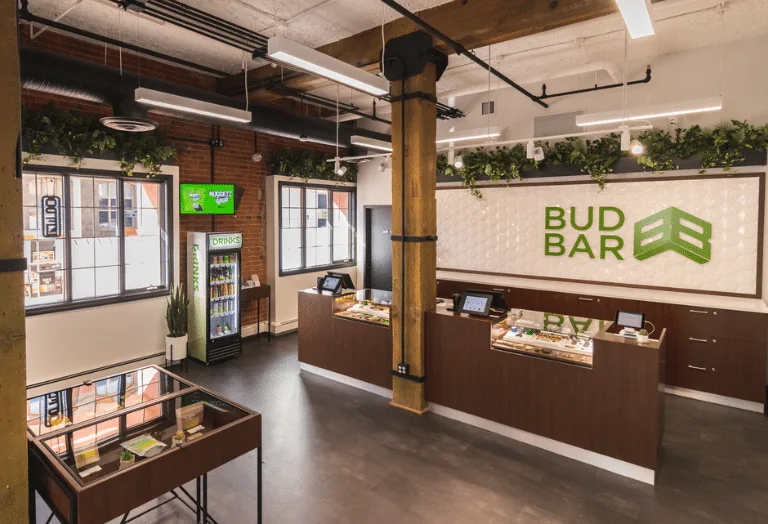
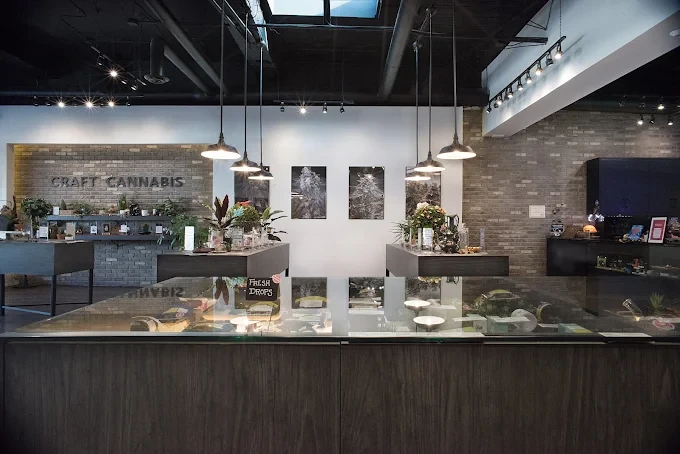
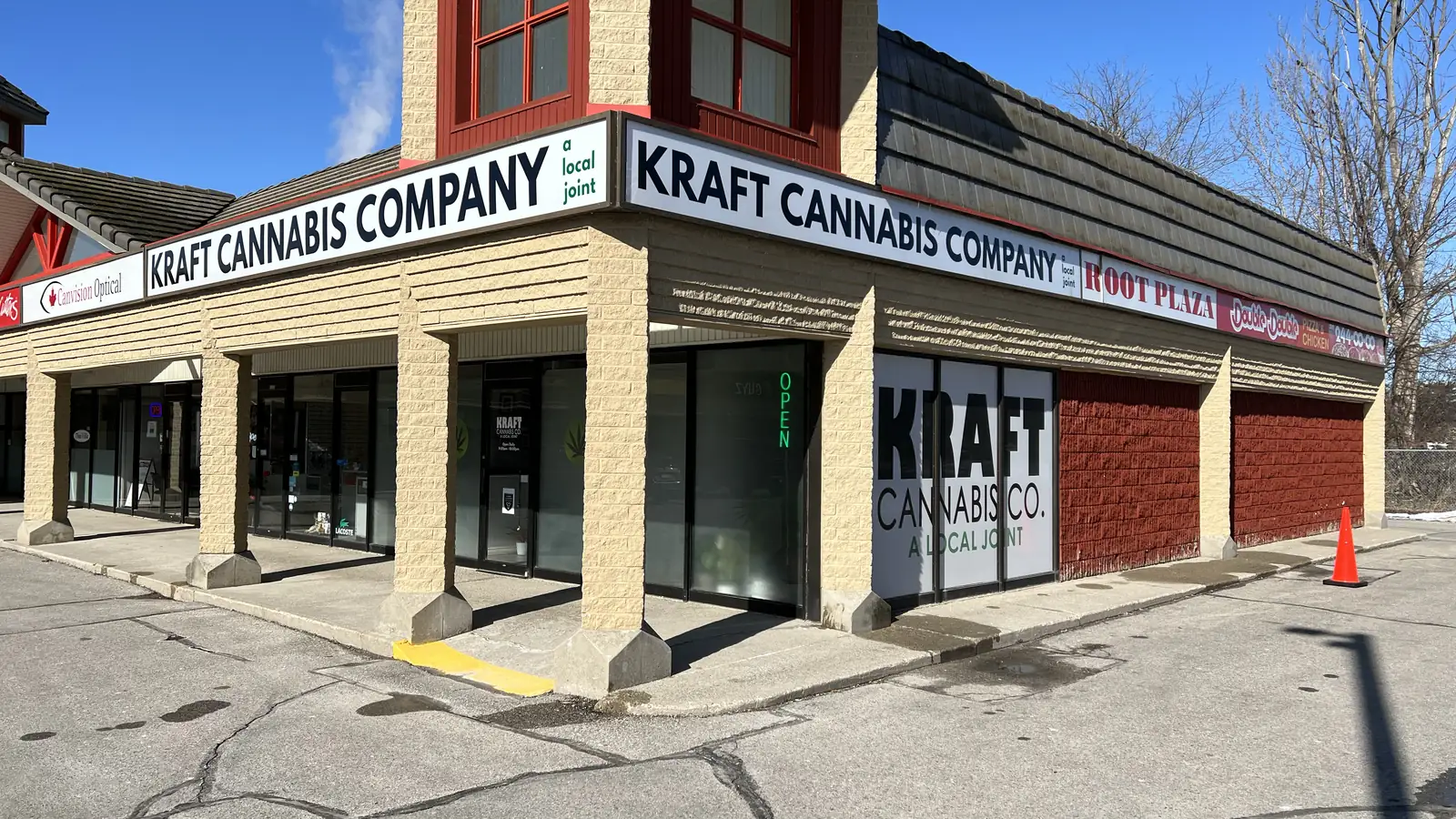
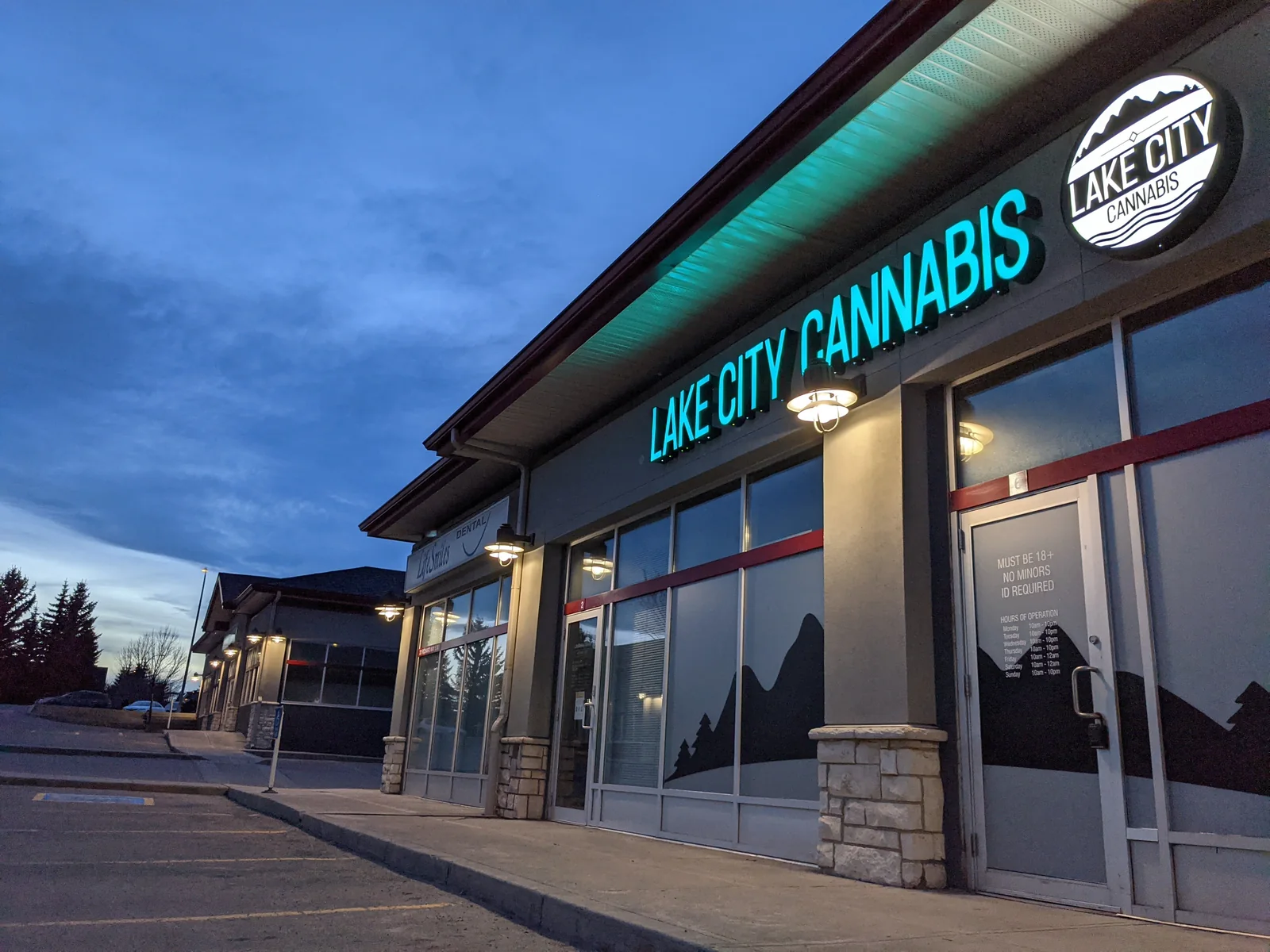
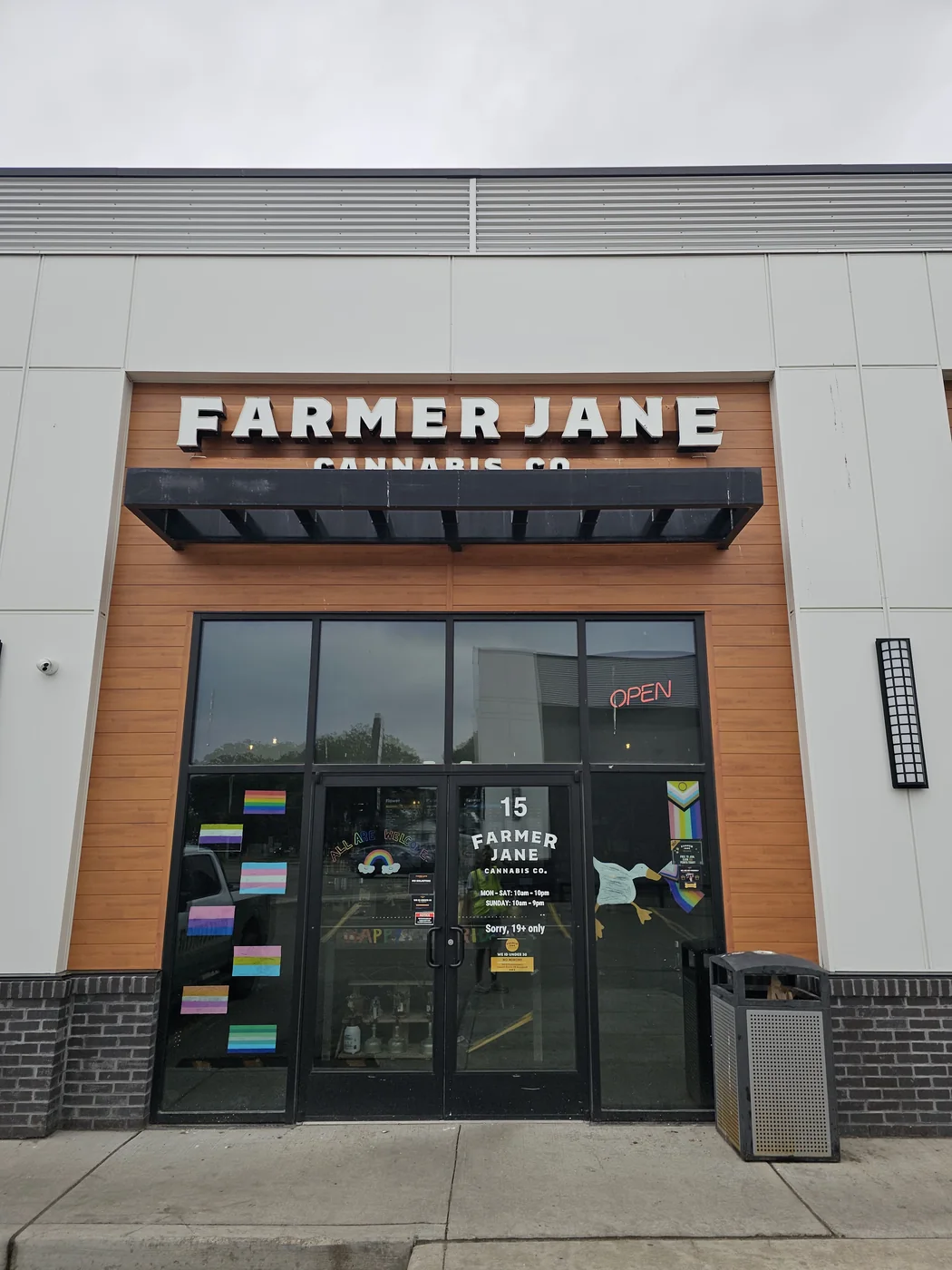
STORE PHOTOS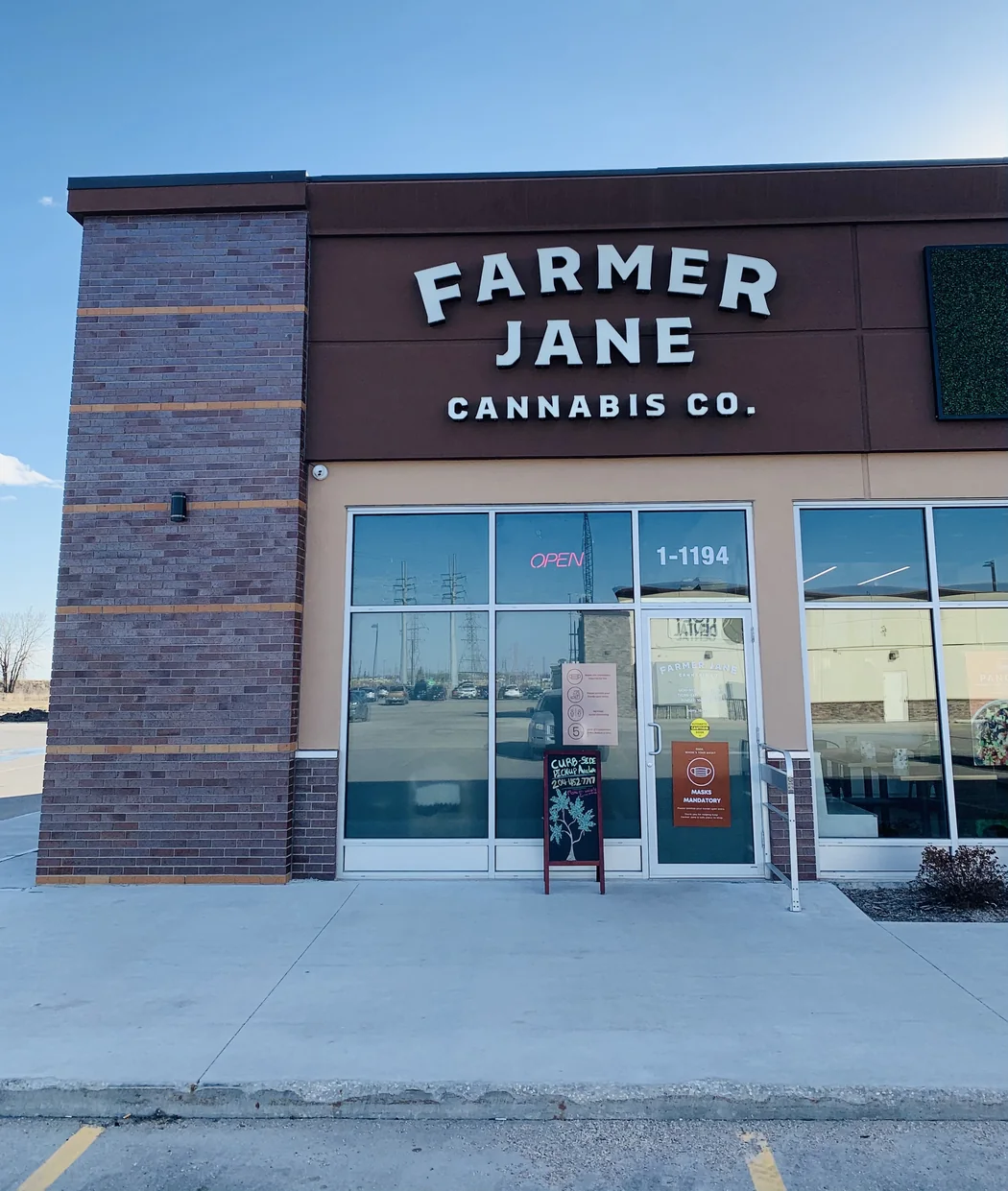
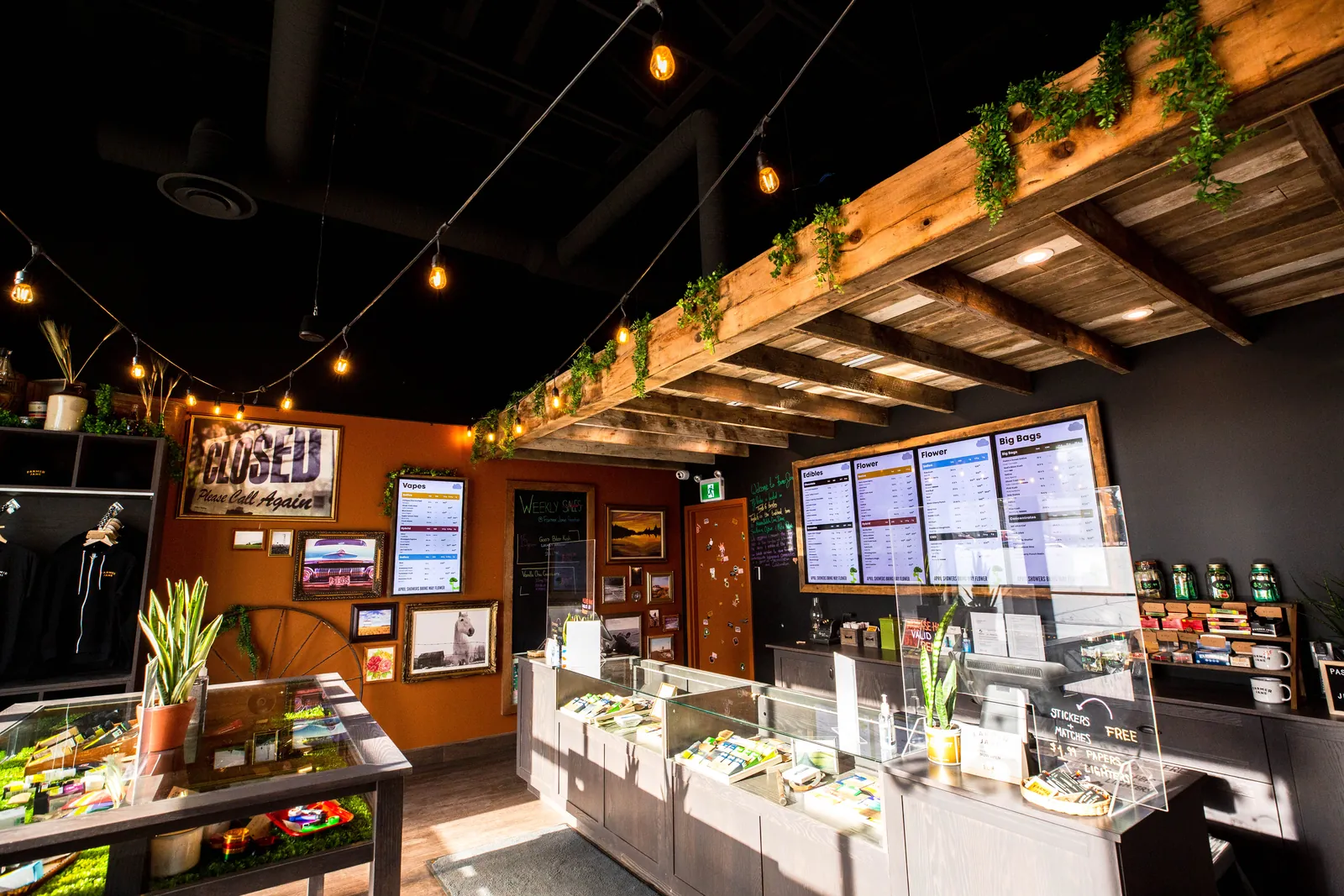
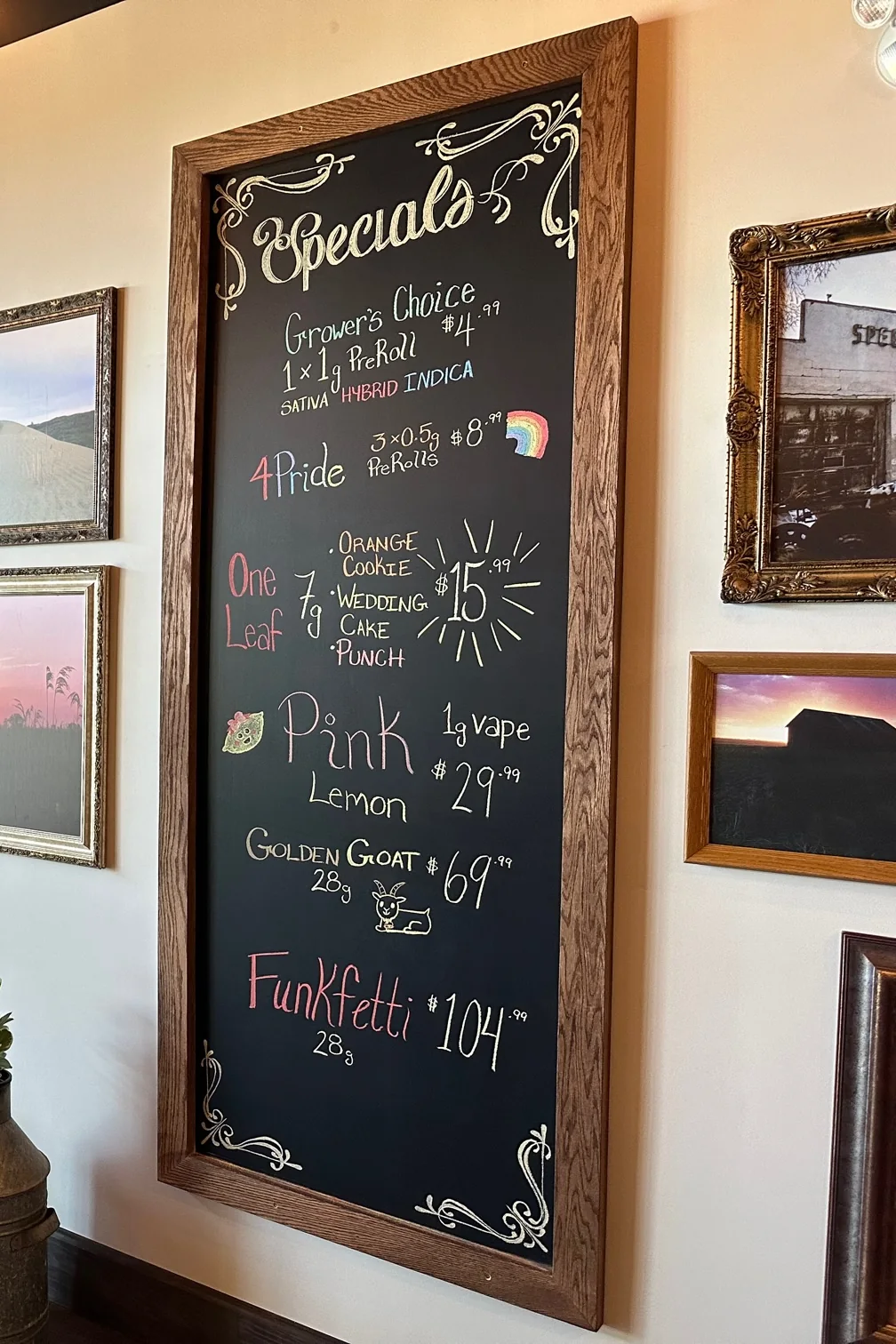

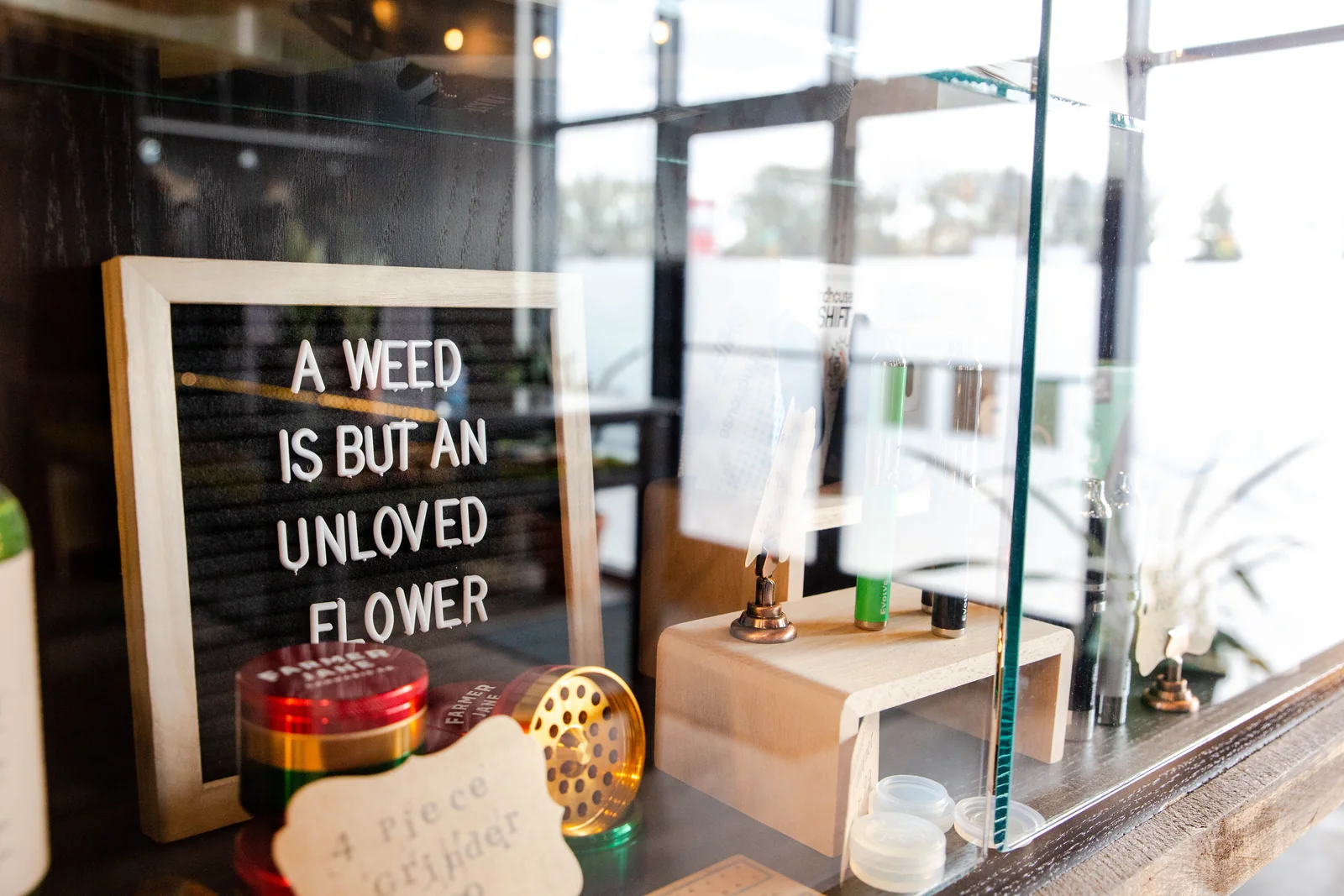
THE CHALLENGES
Eighteen stores, and a menu that didn’t talk to the POS.
Kerri had been looking for a better platform for two years.
Few platforms built for their size
“It’s challenging just to find platforms that are suitable for our size,” Kerri said. Most options didn’t meet the needs of a multi-store cannabis operator in Canada.
Menus updated by hand, store by store
Products in the online menu weren’t connected to the POS, and the stores weren’t linked. Every week, each store had to update product descriptions and potency percentages by hand. Kerri estimated it took a manager about half an hour a week per store, time they couldn’t spend adding value elsewhere.
Missing tools
Features like abandoned cart reminders weren’t part of the previous solution. “That’s something that should be seamlessly integrated with the platform,” Kerri said.
“Tech hasn’t caught up, but it’s starting to. It was just a matter of being patient and waiting for the right solution.”
WHY BREADSTACK
Kerri’s top three reasons.
Asked for her top three reasons, Kerri started with the platform itself.
Built for multi-store cannabis retail.
One platform that connects to the POS across every store.
“It’s simple and makes sense,” Kerri said. “It just makes sense for multi-store.” She hadn’t found another product, in two years of looking, that met the needs of a multi-store operator in Canada and was made for a cannabis retailer. With products syncing from the POS, she expected managers to get back the half hour a week they’d spent updating menus.
Explore Breadstack eCommerceBetter ways to engage customers online.
Live chat, abandoned carts and product suggestions.
Kerri saw opportunities to grow e-commerce and interact better with customers. “Having a platform that allows us to improve the customer experience online has been absolutely crucial,” she said.
Explore Breadstack EngageSEO, layered on years of work.
Optimized product pages on top of an existing blog and reviews strategy.
Farmer Jane had already invested in Google reviews, SEO and blog posts. Breadstack lets the team layer optimized product content on top. “This is just layering on top of that to improve it even further,” Kerri said.
Explore Breadstack SEOGETTING READY
Five hundred products, optimized before launch.
Breadstack’s team suggested a goal of optimizing the top 100 products for search. Kerri set a bigger one. “In Farmer Jane’s style, I think we’re at about 250 products right now,” she said, and she aimed to have at least 500 optimized before launch at the end of October or early November 2024.
Many products had only generic catalogue text. So the team was writing long descriptions, adding short descriptions in the POS, and asking brand partners for updated images, which it renamed for SEO before uploading. “They want to improve their SEO just as much as us,” Kerri said. The plan was to test a first batch, then keep going.
Phase two is content. Farmer Jane already publishes 14 blog posts a week, one from each Farmer Jane store. Each week, every store features a product on its chalkboard. The manager takes a photo, picks a product and fills in a short form with a title, the product, a short description and the image. The post goes into a pending queue, and the team optimizes it before publishing. For launch, the team also planned posts about mail order.
MAIL ORDER AND DELIVERY
Reaching rural customers across the prairies.
Mail order was set to be a big piece of the plan. “No one’s really winning mail order in Saskatchewan or Manitoba, from what I understand,” Kerri said. She sees Farmer Jane as a strong brand for rural areas that may be underserved for product and pricing.
Kerri knows the legacy market is out there. “We’re not going to complain about it,” she said. “We’re just going to try to win some of that market share.”
At the time, Farmer Jane offered delivery in two of its three markets. In Saskatchewan, it planned to use a Regina-based delivery partner that integrates with Breadstack. In Winnipeg, the team was still looking for a delivery partner that could match the experience customers get in store.
LIVE CHAT
A budtender, online.
Kerri planned to pilot live chat with one store first. “We pilot a lot of things,” she said.
The team had just expanded its purchasing team. The new hire had worked for a couple of years as a budtender and key lead in Farmer Jane stores, so they could answer chats with real product knowledge. They work outside the store, so in-store service isn’t interrupted.
Kerri will judge it on results. If customers use it and it adds value, the team will lean in. “Even having the chance to trial something out like that is pretty exciting,” she said.
LESSONS FOR RETAILERS
What other retailers can learn from Farmer Jane’s launch plan.
Farmer Jane’s preparation shows how a large retailer can get the most from a new platform from day one. “It’s a marathon, not a sprint,” Kerri said.
Count the time your menus cost you.
Half an hour a week, across every store, adds up. Connecting the menu to the POS gives that time back.
Prepare product content before launch.
Long descriptions, short descriptions and well-named images help products show up in search from the start.
Work with your brand partners.
Brands want better SEO too. Ask them for updated images and details.
Pilot new channels, then measure.
Start live chat in one store, with someone dedicated to it, and decide based on what customers do.